


(L216) Compound Conjunction Sentence Builders: “and”
$5.99 including GST
Most typically developing children learn to understand and to use “and” in sentences at around 42-48 months of age. Many people learning English as a second language, and/or with developmental language disorders need extra practice.
This 12-page “no preparation” pack is designed to help give people lots of practice saying compound sentences using “and” to join words. The sentence scaffolds include pictures and orthography to support people of all ages to practice this important sentence form in multiple ways.
Description
We use the word “and” to join words and short sentences. “And” is a joining word, also known as a conjunction. “And” helps people to talk about two or more things that are joined in some way or that are added together.
For example:
-
- “In the bedroom, I have a bed and a chair.” The bed and the table go together because they are in the same room – the bedroom.
- “The boy bought a hot dog and a milkshake.” The hot dog and the milkshake are added together: the boy bought them both.
Most typically developing children learn to understand and to use “and” in sentences at around 42-48 months of age. Many people learning English as a second language, and/or with developmental language disorders need extra practice. This “no preparation” pack is designed to help give people lots of practice saying compound sentences using “and” to join words. The sentence scaffolds include pictures and orthography to support people of all ages to practice this important sentence form in multiple ways.

 (L271) Verbs: Future Tense Verbs: Auxiliary Verb "will" (e.g. "The girl will swim")
 (L129) Subject-Verb-Complement (Auditory Bombardment)
 (L538) 10 things for students to know about Australia: a background knowledge and language refresher
 (L420) Narrative Language Workout for Young Primary Schoolers: Mercury and the Woodman, a Fable by Aesop
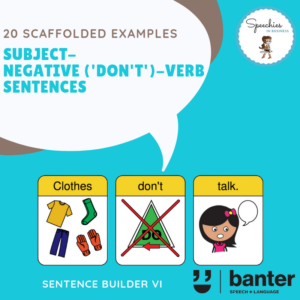 (L126) Subject-Negative ('Don't')-Verb (SNegV Don't) Sentence Builders
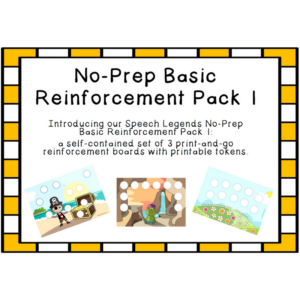 No-Prep Basic Reinforcement Pack I
